Renting vs Buying Fluke Test Equipment: A Procurement Manager's Total-Cost Comparison
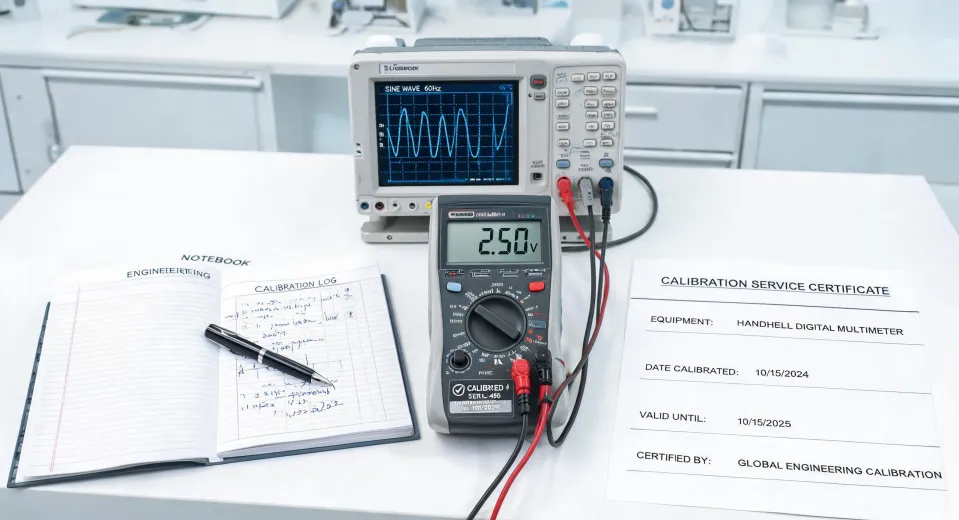
A Cost-Side Look at Renting vs Buying Fluke Test Equipment
When I audited our 2023 test equipment spending, the number that surprised me wasn't the sticker price of a Fluke megger insulation tester. It was how much we spent keeping the things we already owned calibrated, insured, and repairable—and how much we wasted renting things we should have bought outright.
I manage procurement for a 60-person electrical services company. I've run a test equipment budget of about $110,000 a year for the past seven years, and I track every order over $100 in a cost system that has saved me from making the same mistake twice. This isn't a rent-everything or buy-everything post. It's a make-the-comparison-the-right-way post.
The Comparison Framework
When I first started managing this budget, I assumed the lowest purchase price was always the best answer. Three budget overruns later, I realized I was comparing the wrong numbers. The question isn't whether I can buy a tool for $1,200. It's what that tool actually costs per year once calibration, repairs, storage, and downtime are included.
That's where total cost of ownership comes in. I now compare four things before any major test equipment decision: base price, calibration and maintenance, utilization, and the cost of being wrong. The last one is the easiest to forget.
Dimension 1: Upfront Price vs Total Cost
Let's start with the most common decision: buying a Fluke insulation tester versus renting one.
We bought a mid-range Fluke megger insulation tester for about $1,200. It's a great tool for motor testing, cable acceptance, and periodic resistance checks. But the purchase price was only the beginning. Annual calibration costs us between $200 and $250. When a technician dropped it off a ladder, the repair bill was $360. Those costs don't appear on the original quote.
Renting Fluke test equipment, by comparison, usually includes the calibration certificate. The rental rate covers the tool, the calibration, and the depreciation. For a one-week job, that's often the smarter line item. A $110 weekly rental beats a $1,200 purchase plus $250 calibration for a tool that goes back in the cabinet for nine months.
The nuance: if a tool gets used weekly, buying wins quickly. We bought our Fluke insulation tester because we use it at least twice a month. After about ten uses, the purchase was cheaper than renting. The problem wasn't the purchase. The problem was that I didn't include calibration and repair in the original comparison.
Dimension 2: The CMM Layer Nobody Quotes
The quiet budget killer is what I call the CMM layer: calibration, maintenance, and metrology. It's the part of ownership that never makes it into the sales brochure.
I don't have hard data on how many procurement teams track this, but based on my own spreadsheets, calibration and repair costs ran about 12% of our annual test equipment budget in 2023. That's not a reason to avoid buying. It's a reason to plan for it.
After comparing eight rental vendors over three months, I built a policy that works for us: every rental quote must list calibration, shipping, insurance, and late return pricing separately. If a vendor won't put it in writing, I move on. The vendor who lists all fees upfront—even if the total looks higher—usually costs less in the end.
I've learned to ask what's NOT included before what's the price. That simple question has caught more hidden fees than any spreadsheet I've built.
Dimension 3: Fluke vs Flir Thermal Cameras
Now the comparison everyone asks about: Fluke vs Flir thermal cameras. I'm not a thermographer, so I can't speak to detector resolution, emissivity, or pixel pitch. What I can tell you is how both cameras behaved in our cost system.
In Q2 2024, we needed to scan about 40 switchgear cabinets over two days. We rented a Fluke thermal camera for the week: $380, including calibration and a 30-day software license. The Flir rental was $285. It looked like the cheaper option until the vendor added a $75 software license and a $45 handling fee (which, honestly, felt excessive). Total: $405. The Fluke quote was $380. That's a 6% difference, not the 25% the first number suggested. Mental note: add software license to every rental comparison.
For ownership, we ended up buying Fluke. Flir makes good cameras, and I don't want to pretend otherwise. But from a procurement perspective, the Fluke was easier to justify: the reporting software installed on our locked-down laptops without an IT ticket, the case survived a drop that would have made me nervous with any other camera, and our repair invoices for that camera have been zero for 18 months.
The surprising conclusion: if I had one budget and one camera, I'd buy the Fluke and rent a Flir for peak demand. That's not brand loyalty. It's total cost of ownership.
Dimension 4: The Small Tools—Fluke 1AC II
Not every decision needs a spreadsheet. The Fluke 1AC II non-contact voltage tester is a perfect example. It costs about $20 per unit and is rated to detect live voltage from 90 to 1000 VAC. We keep one in every tool pouch. Renting one would be silly, and buying a no-name tester to save $6 doesn't make sense when an electrician's safety is on the line.
I used to treat these small purchases as "not worth tracking." Then I noticed we were ordering them almost monthly because techs were borrowing them and not returning them. Now I order them in batches of ten. It's a no-brainer.
So What Should You Do?
Here's how I sort it now:
- Rent Fluke test equipment when the job is temporary, the tool is specialized, or you only need it a few times a year.
- Buy Fluke test equipment when the tool is used monthly, shares batteries and accessories with tools you already own, and has a calibration plan you can actually follow.
- Always ask what's NOT included before comparing the bold numbers.
For thermal imaging, rent the first time. Then buy once you know the camera will earn its keep. For a Fluke megger insulation tester, buy if you're doing motor testing more than a few times a year; rent if it's a when-we-have-to tool. And for the Fluke 1AC II, just buy a box of them.
Bottom line: the cheapest option is the one you can predict. Predictable calibration, predictable utilization, and transparent pricing matter more than the number in bold at the top of the quote.

Marcus Feld
Marcus Feld is an electrical test and measurement analyst specializing in multimeters, oscilloscopes, clamp meters, insulation testers, spectrum analyzers, and data loggers. He applies IEC 61010-2-030 and IEC 61010-031 concepts while examining measurement category, bandwidth, true-RMS response, input loading, and stated uncertainty. His work helps maintenance engineers and test teams choose safe instruments with performance suited to the signals and environments they actually measure.