Application first
Selection notes begin with the task, range, safety category, and acceptance threshold, then move toward the instrument family that can support that task.
About measurement support
For the people who specify, use, and audit test equipment, the product is only one part of the decision. The more difficult work is making sure a reading can be repeated, explained, and supported with records when production, maintenance, or quality teams ask what changed. Fluke organizes that work around application, calibration, and operator handoff.
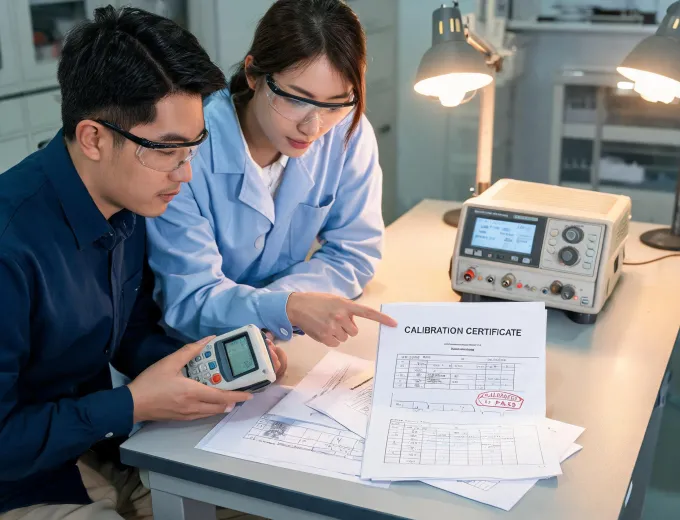
A practical operating habit
The support model behind this site treats every asset as part of a larger measurement system. A multimeter on a maintenance cart, a clamp meter used during energized work, a thermal camera that supports a predictive route, or a process instrument checked during commissioning all need different notes. The common requirement is a clean explanation of what the instrument is allowed to prove and how long the team can trust that proof.
That is why the conversation begins with applications instead of an isolated model number. A request may include PCB validation, substation acceptance, telecom alignment, process loop verification, or metrology checks on machined parts. Each use case changes the tolerance, accessory set, environment, service interval, and documentation burden. Fluke keeps those variables visible so purchasing does not outrun the technical file that will later defend the work.
When a reading becomes evidence, the instrument record must be as disciplined as the person taking the measurement.
Selection notes begin with the task, range, safety category, and acceptance threshold, then move toward the instrument family that can support that task.
Calibration records are treated as part of the operating file, with reference data, uncertainty language, and renewal timing easy to find.
Technicians receive practical notes about lead sets, functional checks, accessory control, and the point at which an instrument should return to service.
Repair, replacement, and spare decisions are reviewed against downtime exposure, usage history, and the risk carried by each measurement point.
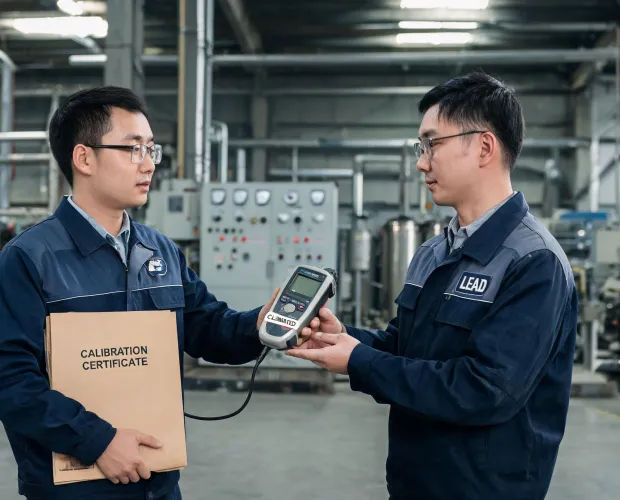
People around the instrument
Different groups read the same measurement file for different reasons. A technician wants the right instrument and a safe setup. A quality engineer wants evidence that the reading fits the method. A buyer wants a procurement path that does not create another exception. A plant manager wants fewer surprises during downtime. Fluke content and service communication are organized so those groups can work from one shared record instead of separate assumptions.
Start with the evidence trail
Send the application, instrument family, current calibration state, and the review pressure around the reading. The next step can be mapped without turning the conversation into a catalog search.